My journey to Principal Fellow
14 April 2026
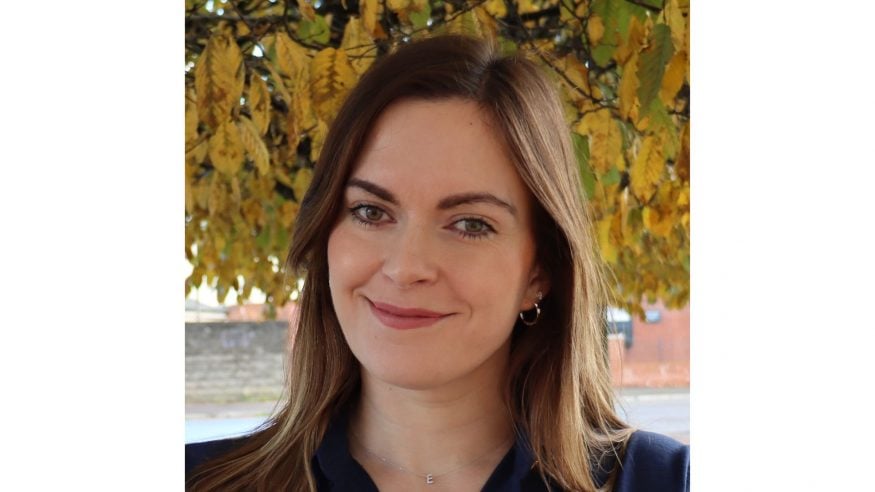
Dr Emma Yhnell shares her Principal Fellow experience.
Principal Fellowship of Advance HE (PFHEA) recognises highly experienced individuals whose work demonstrates sustained, strategic leadership of high-quality learning, with impact that extends well beyond their own context. When I first read that description, I paused, because that felt quite intimidating. I remember wondering whether I was ready to put myself forward at that level.
Don’t rule yourself out
PFHEA is a prestigious and externally recognised award. I already held Senior Fellowship (SFHEA), so this was the natural next step. And yet, I was still doubting myself. Was I really working at that level? Did I have enough evidence of impact? Could I justify the time it would take?
After speaking with mentors, colleagues and friends, I realised the biggest barrier in applying for PFHEA was not the criteria, but probably me. I was ruling myself out, and that seemed a little ironic for someone who spends a great deal of time championing others in their own leadership and encouraging them to recognise their unique strengths.
I gave myself a short, defined window to draft some bullet points against the criteria. To my surprise, there was far more evidence than I had expected. That exercise was helpful; it shifted my thinking from hesitation and helped me to gain confidence. I decided it was worth a try.
Then, of course, life intervened. Things got busy and my application fell off my to-do list; teaching, marking, administration and student support all had to take priority. I am slightly embarrassed to say that a whole year passed before an automated reminder email landed in my inbox. That provided a much-needed nudge. I also had an important conversation with a mentor who challenged me about why I was applying. She encouraged me to consider not just the application itself, but why I was doing it and what I wanted to gain from the experience. That became a real turning point for me to prioritise writing and, frankly, to get on with it.
Work out your why
Working out my why changed everything. It reframed my approach and helped me prioritise. I was not applying simply for a title or prestigious external recognition. Although that is important, it was not high on my why list. I was applying because I am really proud of the work I have done.
As a teaching and scholarship focused academic, some of our work can be perceived as non-traditional and sometimes even “not academic enough.” PFHEA provided an opportunity to apply for external recognition, but more importantly it gave me space to reflect on substantial leadership that is sometimes less visible, but no less impactful.
External recognition was not the sole motivation, but it does matter. It signals that educational leadership is respected beyond our immediate environments. It reinforces that teaching and learning are scholarly and strategic endeavours worthy of sector-wide attention and recognition.
The case studies I wrote for my PFHEA reflected what genuinely drives me: meaningful international leadership in equity, diversity and inclusion in learning and teaching; embedding EDI cross-institutionally to enhance education; and strategic civic and cultural educational leadership alongside sector-wide mentoring.
I have always believed in the profound civic value of Higher Education. Through externally facing leadership roles, including work with the British Neuroscience Association, the Federation of European Neuroscience Societies and Amgueddfa Cymru, I have worked to ensure that universities are not closed systems. The knowledge, creativity and leadership within them should absolutely benefit wider society, and my external leadership roles have always championed this.
Equity, diversity and inclusion are not add-ons or nice-to-haves. They are absolutely fundamental to my work. They are embedded in everything I do, from teaching and mentoring to leadership, governance and science communication.
The legacy you want to leave
Perhaps the most rewarding aspect of my work is mentoring. It is a privilege to be part of others’ journeys, to listen, to challenge constructively and to support progression in ways that matter to them, helping them feel seen and heard.
Mentoring formed a huge part of my PFHEA application. It is a privilege to help others believe in themselves; to offer a space for reflection and to be someone they trust for advice and support. Many of the colleagues and students I have mentored now mentor others. Not only that, but they have also gone on to achieve incredible things. They lead initiatives, shape cultures and influence their own communities in ways that extend far and wide. That ripple effect is deeply meaningful, and yes, it sometimes makes me feel ancient, but it is an honour to see others learn, progress and change the world in their own unique ways.
What’s next?
Being awarded PFHEA is a significant milestone in my career. It recognises sustained contribution and strategic impact. But more quietly, it confirmed something I was unsure about when I first read that PFHEA description: I was ready. I was working at that level and I had enough evidence.
Educational leadership requires strategic thinking, persistence and humility. It also requires the confidence to step forward, to give something a try and to put yourself forward while continuing to learn.
So, the next time you are reading criteria and wondering if you are ready, I would encourage you to pause, reflect, seek advice from friends, mentors or colleagues and, most importantly, not to rule yourself out too quickly.