Digital Inclusion and the Student Experience
9 June 2026
This blog post is written by Dai, a Learning Technologist with the Learning and Teaching Academy.
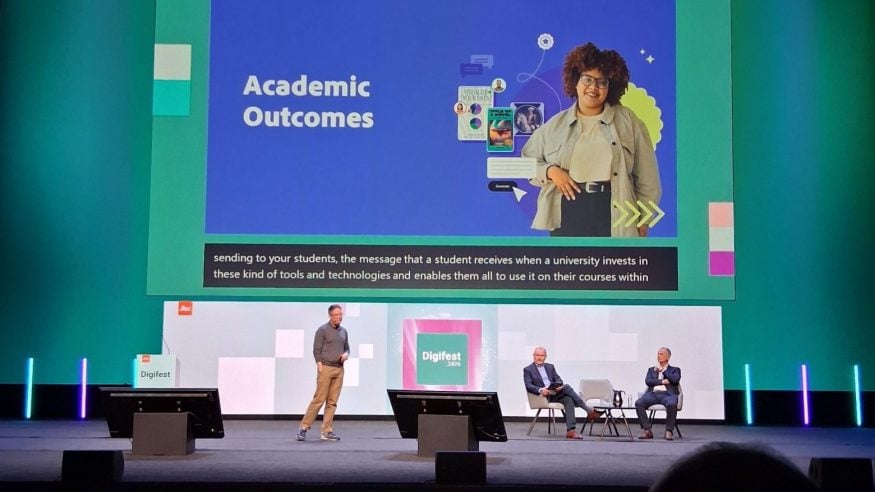
In March I attended the Digifest 2026 conference in Birmingham. Over two days I engaged with keynotes, panels, workshops, tech demos, community meetups, and conversations about the challenges and opportunities facing tertiary education. With over 60 sessions, it was impossible to see everything, but the sessions I did attend had a clear theme: digital inclusion and improving the student experience in a complex and disruptive landscape. Here are some of my reflections:
Digital Inclusion
A key theme was the challenge of digital inclusion in tertiary education. In the Digital Inclusion Action Plan keynote, there was a strong message: if we design our services or learning experiences without considering the people who struggle to access them, we’re building exclusion in from the start. A few things struck me:
- Digital poverty. Sessions highlighted how lack of devices, connectivity, suitable study space, or mobile data isn’t just an inconvenience, but a barrier to participation in education. Representatives from the University of Manchester and Hull College discussed how they use voucher schemes and device banks to support learners, and I was impressed by the work of the Good Things Foundation.
- Digital skills. Access to devices and software alone isn’t enough without the skills to make best use of them. Digital confidence and capabilities are important too. Hull College set up an AI Academy for staff, students, and even local businesses to help address skills gaps.
- Digital inclusion = social inclusion. This was a big one for me. If people can’t pay for parking, access public services, or use digital ID, because they don’t have a device with the correct app, they face barriers to inclusion in society. Digital inclusion extends beyond university campuses.
The key message for me was: Digital inclusion isn’t a “nice to have”. It must be baked into everything we design.
Future Student Experience: Flexible and soulful
Through discussions on blended learning, wellbeing, and transnational education, one thing was clear: the student experience is diverse.
Some takeaways:
- Flexibility. Many learners manage work, commuting, caring responsibilities, and varying digital contexts. Our learning design and digital services need to meet learners where they are.
- Co‑creation in inclusive design. Several sessions reinforced that accessibility isn’t just about reacting and providing adjustments, it’s designing with students, not at them.
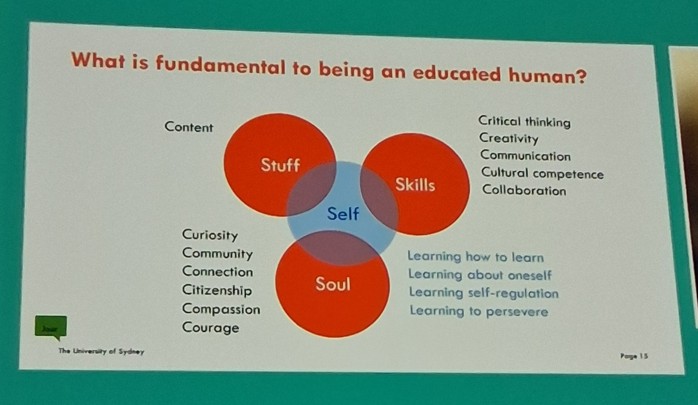
- Skills for the future = human + digital. Danny Liu’s keynote on AI emphasized soul in education. Not only focusing on content and skills, but supporting students as whole human beings, from building digital confidence to nurturing creativity, wellbeing, and human connection.
What does this mean for us at Cardiff?
Here are a few things to think about in our practice:
- Audit our digital assumptions. Who do we unintentionally exclude?
- Improve AI literacy for staff and students, grounded in our values.
- Invest in digital skills as a foundation for wellbeing, confidence, and success.
I left Digifest feeling positive. The challenges are big, but there is optimism about tackling them.
Want to get involved?
If these themes around digital inclusion and the student digital experience interest you, contact the LTA at [email protected]. We’d love to hear your ideas and explore ways to support staff and students together.