Exploring an Anti-racist Approach to Research Ethics Review
30 October 2026

Dr Anna Skeels, Research Fellow in the SPARK Hub Team, working with Masters’ student Raisa Anwar as Research Assistant, recently completed a small project on Exploring Antiracist Research Ethics Review, supported by Cardiff University’s Research Culture Fund.
Antiracism and research ethics are both fundamental for our institution. Cardiff University has made a commitment to becoming ‘an antiracist university’, a journey set out in its Race Equality Chartermark (REC) and aligning with the Welsh Government’s ‘An Antiracist Wales’. This involves addressing racial disparities amongst staff and students in our community – for example, in recruitment, support, progress, promotion and outcomes – as well as tackling the systems, structures and cultures that sustain these inequities over time.
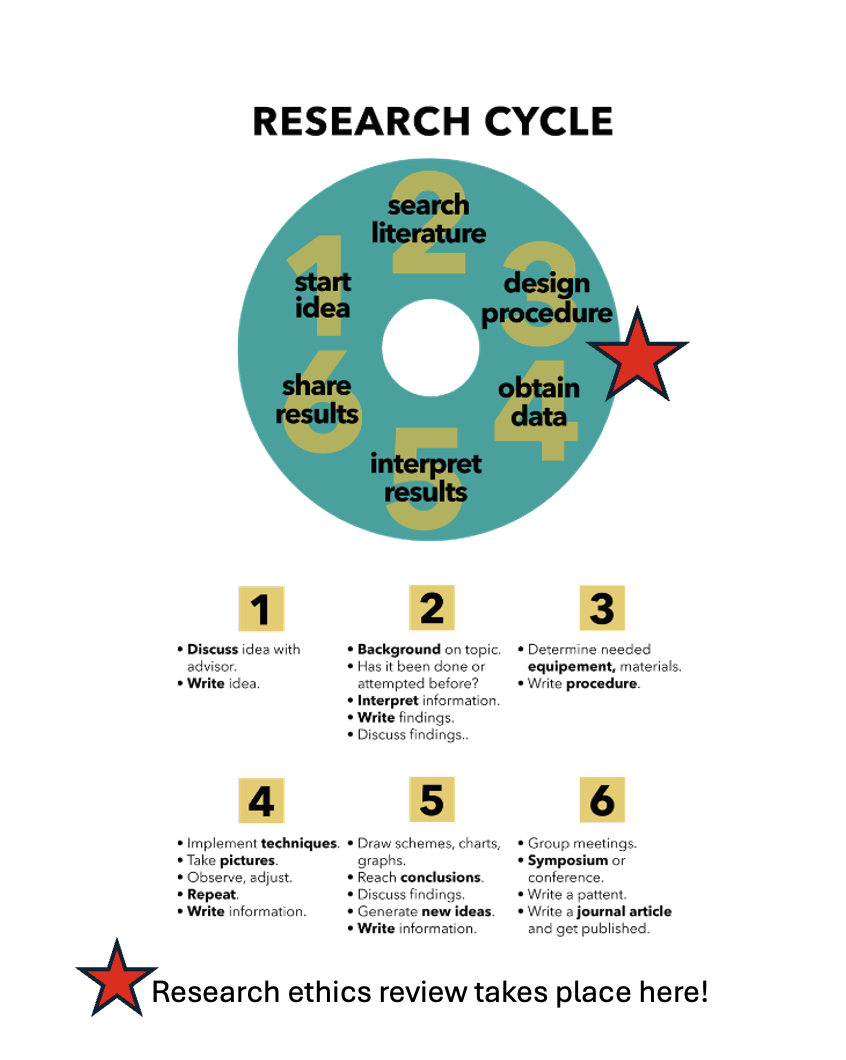
Ethics review is an ‘everyday’ and yet important decision-making event in the ‘research cycle’, fundamentally shaping the nature of academic research. Situated after the research design and planning stages but before any outreach, contact with potential research participants or new data collection, it determines which research gets to be carried out (or not), where, when, with which individuals and populations and by whom.
Ethics review can be described as providing a kind of ‘moral compass’ for researchers, setting out the standards of conduct that they must meet. Research must do no harm (‘non-maleficence’), maximise potential benefits and positive contributions for people and society (‘beneficence’), ensure fairness (‘justice’) and respect individuals’ own choices and decisions (‘autonomy’). Through adhering to these four ethical principles, we aim to protect the dignity, welfare and rights of people engaged in our research.
Despite the dual (and interconnected) importance of ethical research and an antiracist university, how we ‘do’ research, a substantive component of our institution’s ‘core’ business, is not part of the REC. Our small Research Culture Fund project aimed to take the first step in addressing this through a consideration of antiracist research ethics practice.
Over a six-month period, our research culture project involved:
- Undertaking a literature review on racism, antiracism and research ethics in universities as well as a desk-based review of Cardiff University’s core research ethics policies and procedures.
- Holding a small number of online interviews and design and posting of an online survey with/for academic staff and PGR students from racially minoritised communities in Cardiff University.
- Exploring our findings and ideas in structured conversations with School Research Ethics Committee (SREC) Chairs and other staff/students acting in the role of ‘critical friends’.
- Planning and delivering an Antiracist Research Ethics Round Table event and discussion with SREC Chairs and other key stakeholders from across the University to consider steps towards antiracist research ethics review.
We were also supported by an external facilitator, Michelle Alexis, an Award-winning Inclusive Leadership expert and Strategist with over 20 years of experience driving systemic organisational change across higher education, government, and national institutions and a recognised leader on the BME Power List. Michelle formerly worked at Cardiff University and now drives organisational change as part of the Equality, Diversity and Inclusion agenda at the BBC. Michelle’s external facilitation of our Round Table event, having both expertise in antiracism and university operations and culture, but also sitting outside of our institution as a consultant, was invaluable.
The next step for the project is to further distil and synthesise our key findings from the literature review, policy review, interviews and survey, as well as draw out the main messages from the Round Table discussion. All of this will feed into a briefing paper and presentation for the University Research Integrity and Ethics Committee (URIEC), the body with responsibility for and oversight of research ethics across the institution and setting the frame for all School Research Ethics Committees (SRECs), which will take place in February next year. We are looking forward to feeding in our learning at the highest levels within the institution and to exploring together what steps might be taken next.
Dr Anna Skeels, SPARK Research Fellow
- Exploring an Anti-racist Approach to Research Ethics Review
- Play in the Academy: What if we took play seriously at work?
- From Evidence to Action: SPARK’s Public Sector Partnerships
- From Research to Action: Why Social Science Needs Design
- Reimagining Alcohol Free, Night-Time Economy Social Activities in Cathays