How can research become more inclusive for people who have difficulty giving informed consent?
5 October 2026
Many people are excluded from health and care research because communication difficulties or changes in decision-making capacity can make participation more complex. Yet these are often the very groups most affected by health conditions and most in need of evidence-based care.
Researchers at Cardiff University’s Centre for Trials Research have been working to address this challenge through the CONSULT research programme, which explores how adults with impaired capacity to consent can be more fairly and effectively included in research. Through two linked Impact Acceleration Account (IAA) projects, CONSULT Training and OPTIMISE, Dr Victoria Shepherd and colleagues translated research findings into practical resources designed to support more inclusive research practice.
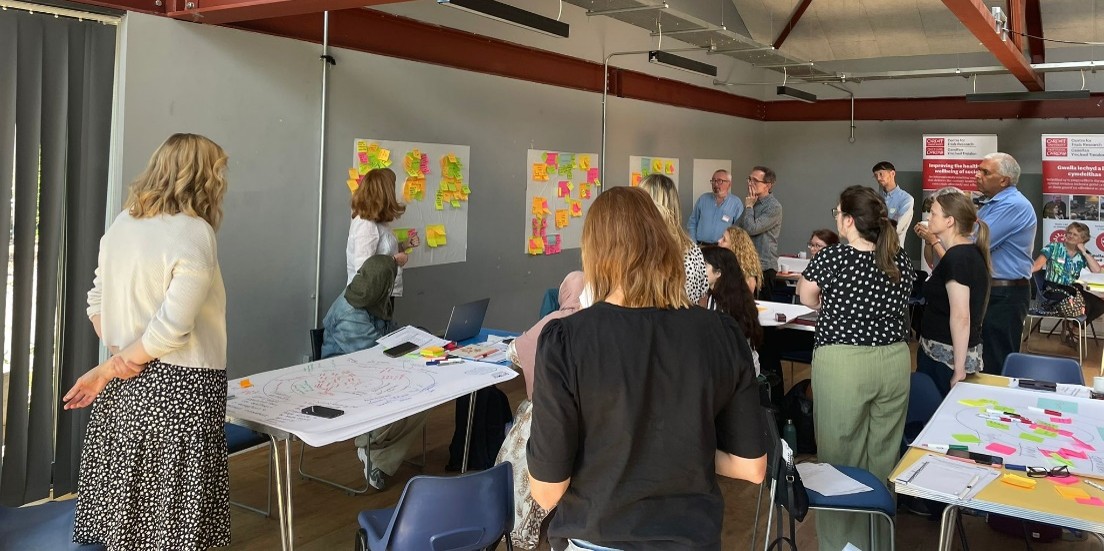
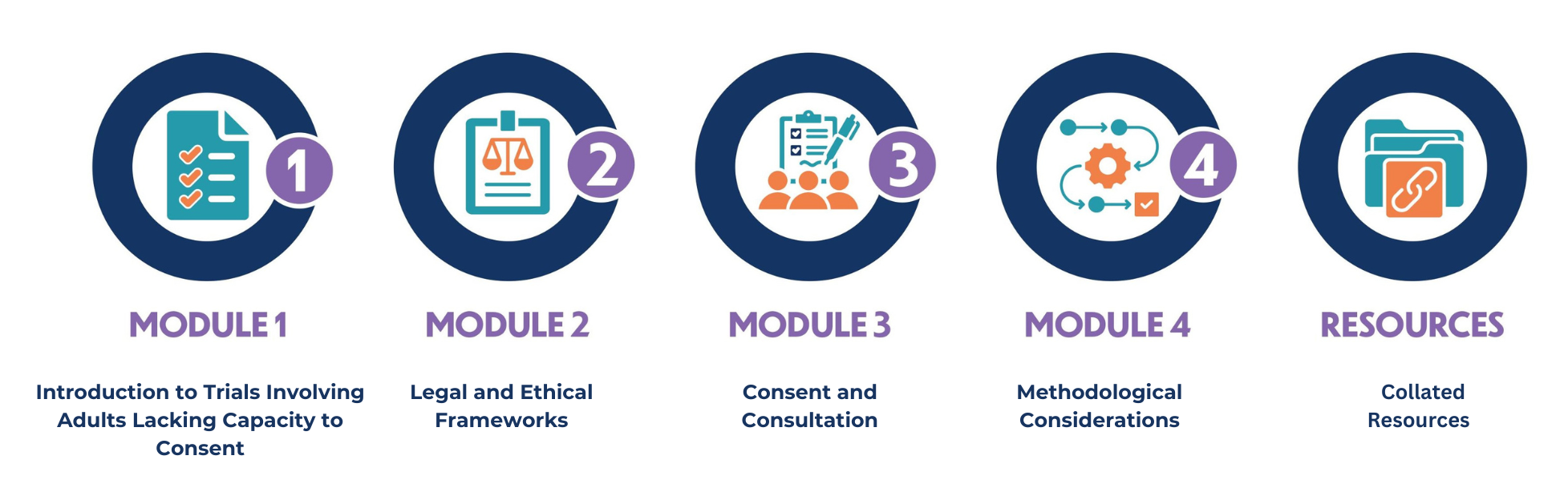
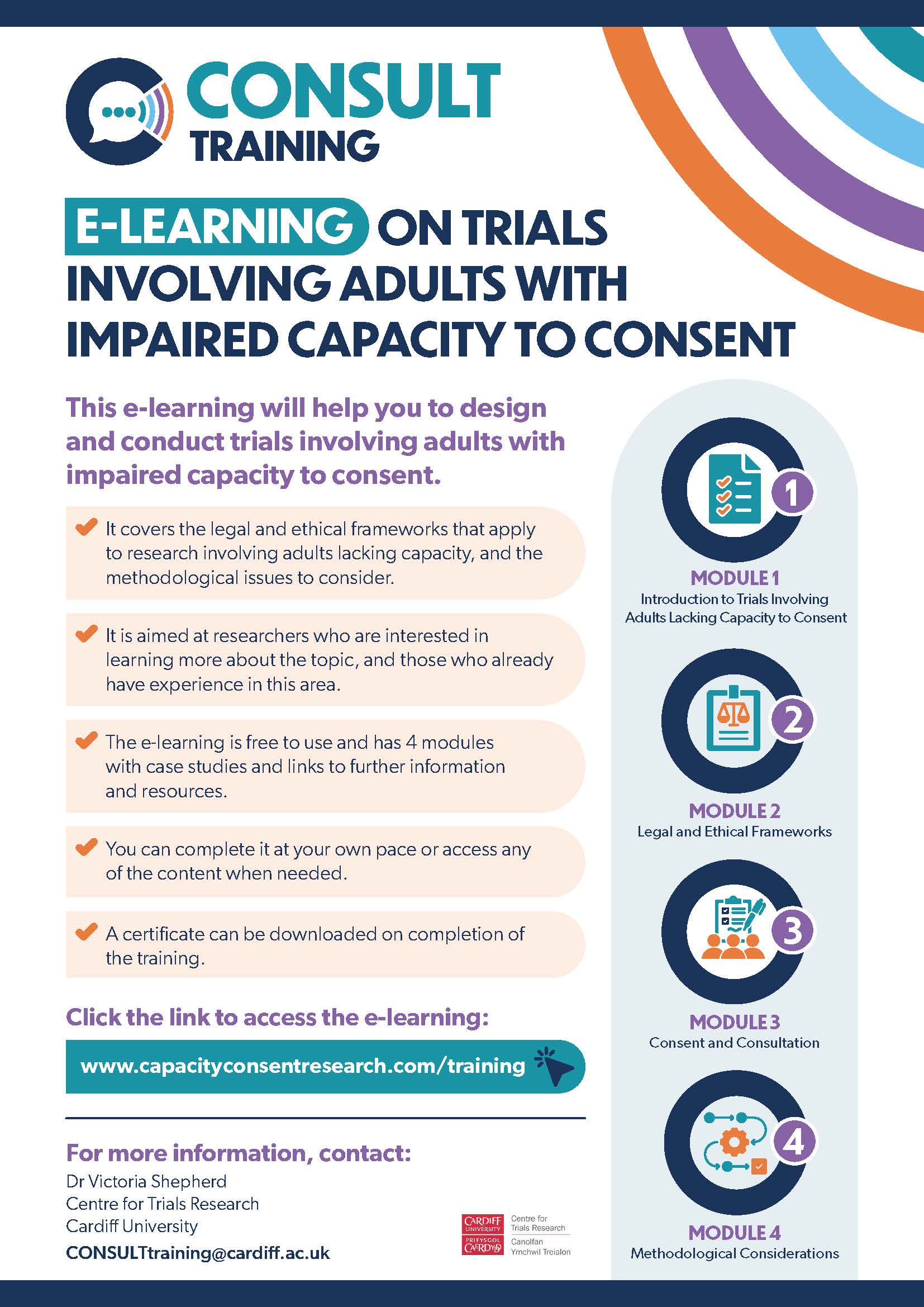
The first IAA-funded project, CONSULT Training, responded to a clear need identified by researchers themselves. A survey of researchers across the UK highlighted gaps in knowledge and confidence around the legal, ethical and practical challenges of conducting trials involving adults who may lack capacity to consent. In response, the team developed a free, stakeholder-informed e-learning programme covering key legal, ethical and methodological issues. The training was co-developed with researchers and people with lived experience and provides practical examples, case studies and resources that researchers can use in their own work.
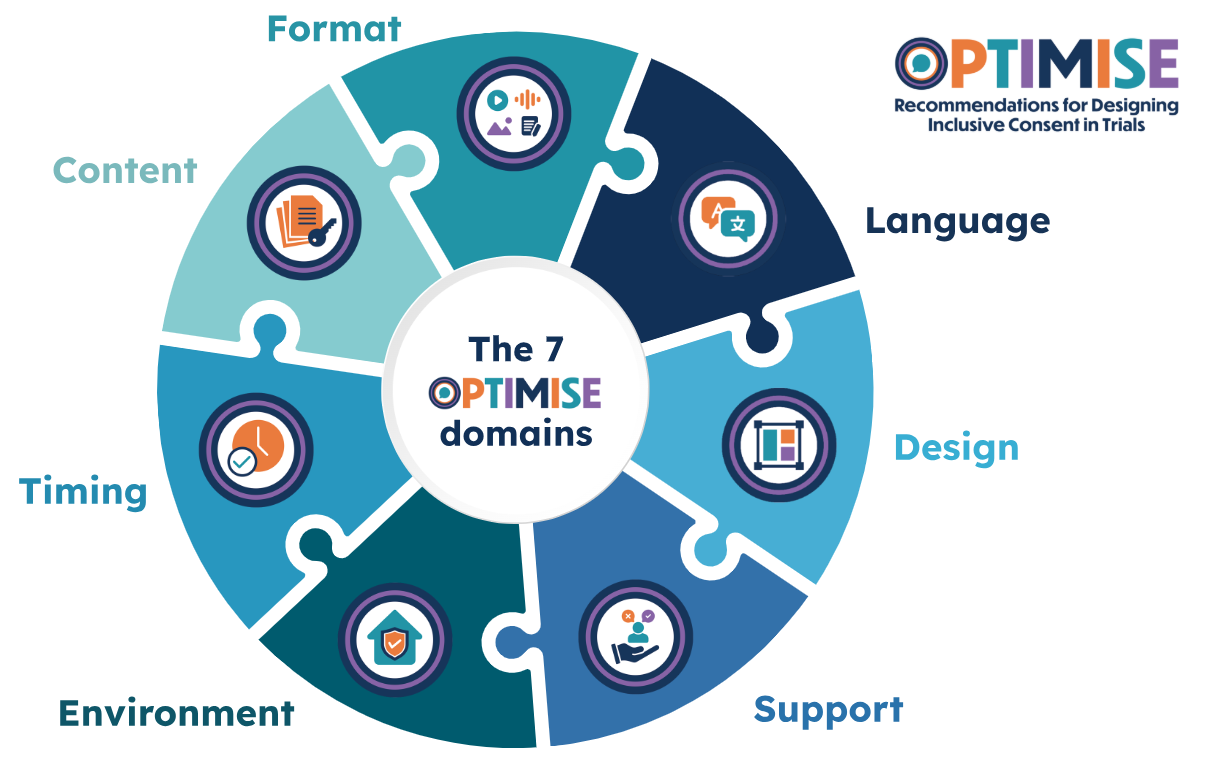
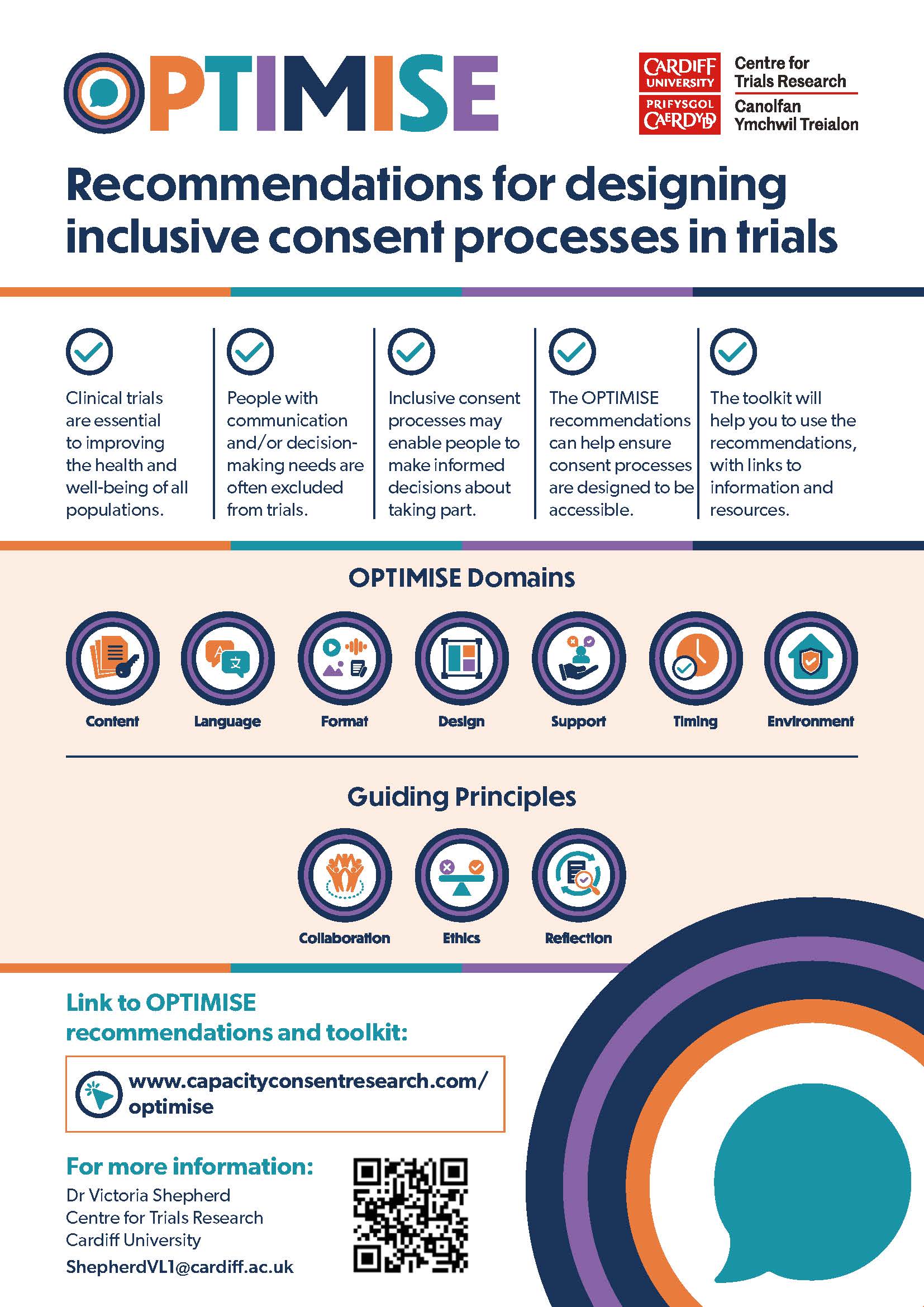
Building on this foundation, a second IAA-funded project, OPTIMISE, focused on a related challenge: how researchers can design informed consent processes that are more accessible for people with communication and decision-making needs. Through evidence reviews, stakeholder workshops and collaboration with public contributors, the team developed the OPTIMISE recommendations, alongside practical implementation resources including easy-read materials, case studies, an interactive infographic and supporting guidance. These resources aim to help researchers create more inclusive consent processes and improve accessibility throughout the research journey.
Both projects generated strong engagement across the research community. CONSULT Training was launched through a webinar attended by 160 registered participants and has since been accessed by more than 100 users. Evaluation data indicated increased confidence and understanding among participants completing feedback surveys. OPTIMISE attracted 300 webinar registrations and more than 400 visits to its website within the first three weeks after launch, demonstrating widespread interest from researchers, healthcare professionals, ethics committee members, policymakers and public contributors.
Together, these two IAA projects helped transform research findings into practical tools, training and guidance that researchers can use in real-world settings. They also contributed to the wider development of the CONSULT programme and provide a platform for future work through ACCORD, an eight-year Wellcome-funded research programme that will explore how legal, ethical and practical barriers to research participation can be addressed at a system level.
Further Information
To find out more about the CONSULT research programme, CONSULT Training and OPTIMISE, visit:
https://www.capacityconsentresearch.com
Related News article:
Open Access Papers:
For further information about Wellcome Trust ACCORD project, visit:
https://www.cardiff.ac.uk/centre-for-trials-research/research/studies-and-trials/view/accord
- AHRC
- BBSRC
- Cardiff Business School
- Case studies
- EPSRC
- ESRC
- Institutional Collaboration
- MRC
- Public Engagement
- School of Biosciences
- School of Computational and Mathematical Sciences
- School of Dentistry
- School of Engineering
- School of English, Communication and Philosophy
- School of Geography and Planning
- School of History, Archaeology and Religion
- School of Journalism, Media and Culture
- School of Law and Politics
- School of Medicine
- School of Optometry and Vision Sciences
- School of Psychology
- Welsh School of Architecture
- Eight Voices in Darkness recognised for sharing lived experiences of sight loss and mental health
- How can research become more inclusive for people who have difficulty giving informed consent?
- How can medical imaging software developed in Cardiff reach more researchers, clinicians and healthcare innovators?
- What does it take to make secondhand economies more sustainable, accessible and socially connected?
- What happens when retailers cannot trust their stock records?