How can medical imaging software developed in Cardiff reach more researchers, clinicians and healthcare innovators?
1 October 2026
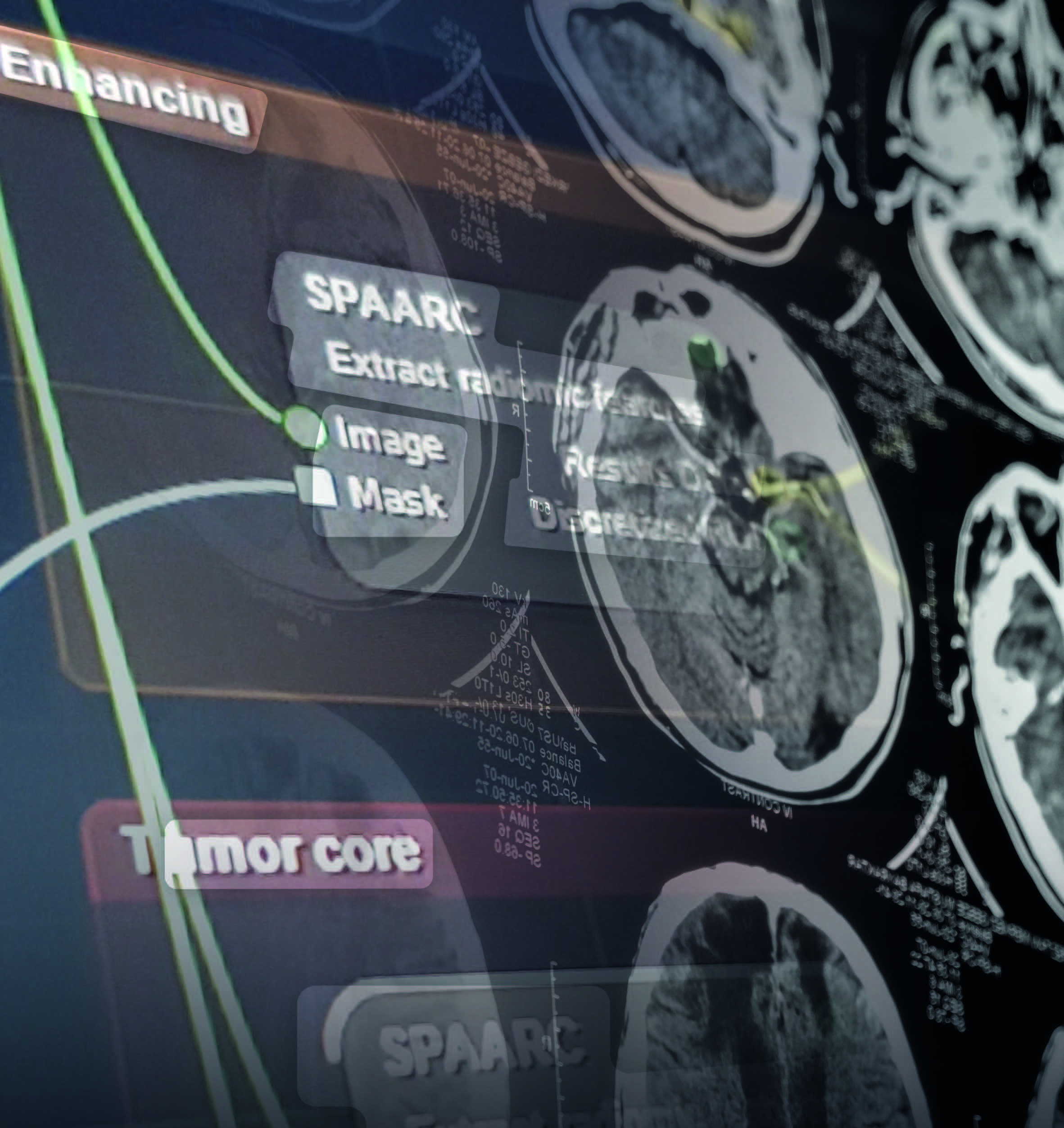
SPAARC, short for Spaarc Pipeline for Automated Analysis and Radiomics Computing, is Cardiff University software that supports radiomics: the extraction and analysis of quantitative data from medical images. These tools can help researchers study patterns in imaging data and develop more reproducible approaches to medical image analysis.
Supported by Cardiff University’s Engineering and Physical Sciences Research Council (EPSRC) Impact Acceleration Account (IAA) funding, Professor Emiliano Spezi and his team from the School of Engineering has been working to expand the reach and usability of SPAARC through collaboration with Hero Imaging, a commercial medical imaging platform.
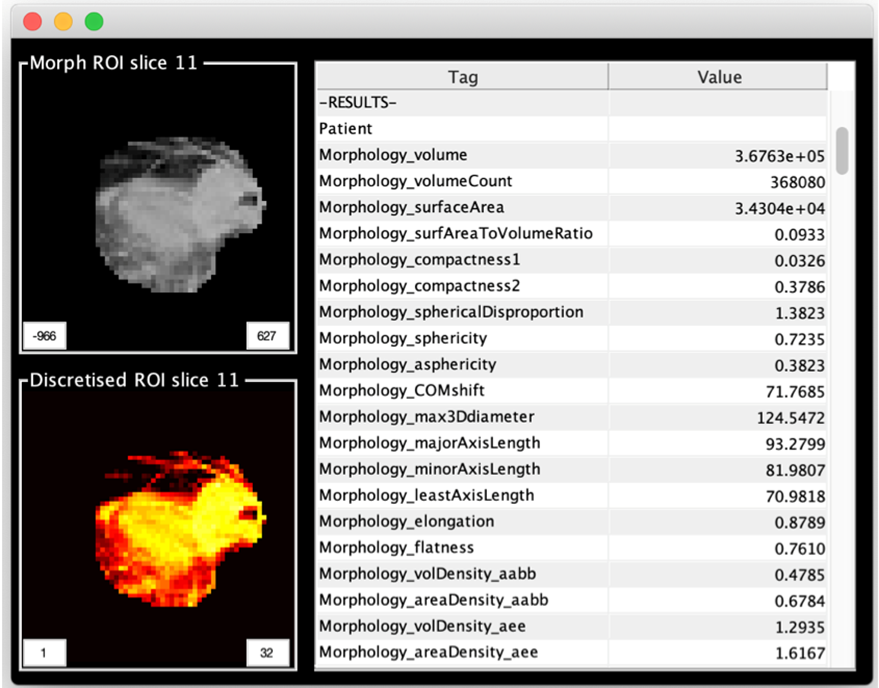
Hero Imaging provides a no-code environment for medical image analysis, making advanced image processing and radiomics workflows accessible to researchers, clinicians and healthcare innovators without requiring specialist programming expertise.
The IAA-funded projects supported specific stages in the wider development of SPAARC, including integration into Hero Imaging, development of new analytical tools, international showcasing, user feedback, and work towards licensing, clinical validation and wider adoption
SPAARC is a Cardiff University software platform for radiomics and quantitative medical image analysis. This wider programme of work aims to make advanced image analysis, machine learning and statistical modelling more accessible to clinical and research users, supporting reproducible research and future innovation in medical imaging.
The IAA-funded projects supported the integration of SPAARC tools into the Hero Imaging platform, a no-code platform that makes advanced medical image analysis accessible to researchers and clinicians. The team developed new software modules, documentation and learning materials such as SPAARC-Radiomics and SPAARC-Statistics, showcased the tools at international ESTRO conferences, and gathered feedback from researchers, clinicians and industry stakeholders.
IAA funding helped bridge the gap between research software and wider use. It supported technical development, commercial engagement, international visibility and collaboration with Hero Imaging, contributing to licensing activity and helping the team explore future routes for clinical validation, deployment and continued software development.
The team is continuing to develop SPAARC as part of a wider programme of work around radiomics, medical image analysis and clinical research software. Future activity will focus on further development, validation and routes to wider adoption.
Read more about the project on the spaarc website: https://spaarc-radiomics.io/
- AHRC
- BBSRC
- Cardiff Business School
- Case studies
- EPSRC
- ESRC
- Institutional Collaboration
- MRC
- Public Engagement
- School of Biosciences
- School of Computational and Mathematical Sciences
- School of Dentistry
- School of Engineering
- School of English, Communication and Philosophy
- School of Geography and Planning
- School of History, Archaeology and Religion
- School of Journalism, Media and Culture
- School of Law and Politics
- School of Medicine
- School of Optometry and Vision Sciences
- School of Psychology
- Welsh School of Architecture
- Eight Voices in Darkness recognised for sharing lived experiences of sight loss and mental health
- How can research become more inclusive for people who have difficulty giving informed consent?
- How can medical imaging software developed in Cardiff reach more researchers, clinicians and healthcare innovators?
- What does it take to make secondhand economies more sustainable, accessible and socially connected?
- What happens when retailers cannot trust their stock records?