Celebrating International Clinical Trials Day: Collaboration in Practice Across Four Trials
20 May 2026
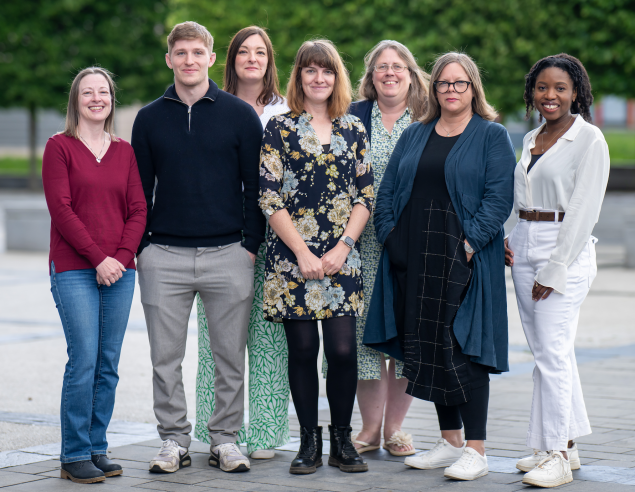
Authors: Waku Maboshe, Ben Karatas, Melanie Varley and Grace Young
As we mark International Clinical Trials Day 2026 and reflect on the Centre for Trials Research (CTR) 10-year anniversary, we are taking a moment, collectively as four trial managers within the infection, inflammation and immunity (I3) Division, to celebrate what collaboration and innovation look like in practice.
The CTR 10-year celebration event, on 14 May 2026, featured opening remarks from our Centre Director, Professor Mike Robling; Professor Isabel Oliver, Chief Medical Officer for Wales; and Professor Steve Riley, Pro Vice-Chancellor at the College of Biomedical and Life Sciences at Cardiff University, setting the tone for a day that brought together a wide network of collaborators.
Centred on the theme of “10 years of collaboration and innovation,” the event highlighted contributions from across the wider research community. Speakers included colleagues and partners from across Cardiff University, as well as representatives from healthcare and third sector organisations, reflecting the broad partnerships that underpin our work.
Reflecting on the theme of the day, Dr Emma Thomas-Jones, Principal Research Fellow and Director of Infection, Inflammation & Immunity Division at the CTR noted:
“My take home message was that through working together in the true sense of collaboration and allowing a wide range of voices to be heard, CTR showcased some impactful examples of trials and studies, that have truly benefited and informed better patient care. It is that, that keeps us thinking and innovating to ensure that the research we do can truly benefit everyone in society.”
Why collaboration matters
Clinical trials do not happen in isolation. From design to delivery, they depend on strong multidisciplinary teams, cross-institution collaboration, engagement with patients and the public, and shared learning across studies and networks.
As trial managers, we see firsthand how these elements come together to drive meaningful research.
In this article, we highlight four trials that sit within the I3 Division and explore different forms of collaboration in practice, echoing the themes we celebrated at our 10-year anniversary event.
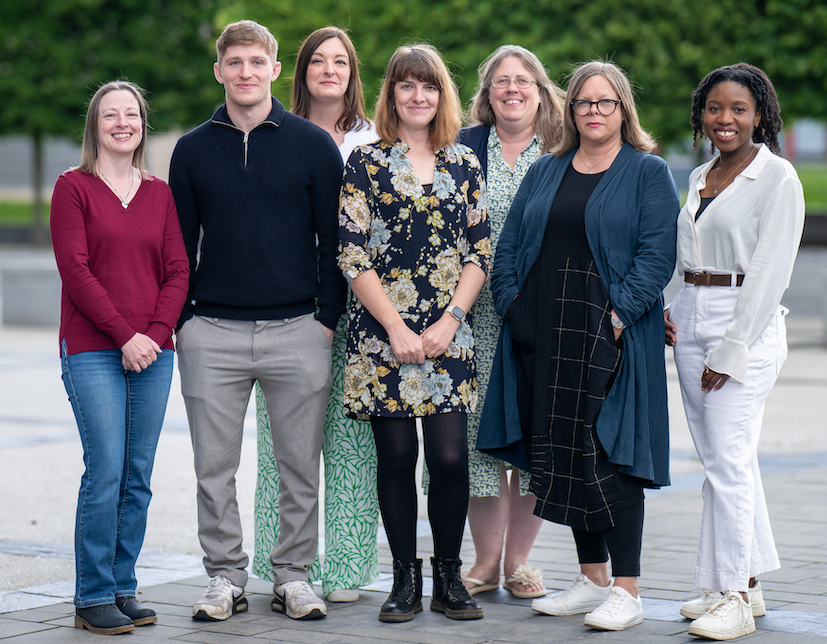
Our trials in focus
EXCISE
EXCISE investigates whether antibiotics given at the time of surgery reduce the risk of wound infection following excision of ulcerated skin cancer. Although antibiotics are commonly prescribed in this setting, there is currently limited evidence to determine whether they are effective in preventing infection.
Participants in the trial receive either a single dose of antibiotic or a placebo at the time of surgery, with rates of wound infection compared between the two groups.
Current practice varies considerably, with previous research suggesting that around 50% of clinicians routinely prescribe antibiotics, while approximately 50% never do. Regardless of the outcome, the EXCISE trial will provide important evidence to help guide and standardise future clinical practice.
EXCISE reflects the growing movement towards pragmatic clinical trials embedded within everyday NHS practice, helping to generate evidence in areas where variation in care already exists. The trial also highlights the importance of collaboration across multiple specialties and NHS organisations, bringing together surgeons and research nurses across 12 NHS sites together with trial management at the CTR. We were particularly proud to recruit the 50th participant to the Trial during the CTR’s 10-year anniversary celebrations, a hugely important milestone for the trial.
Trial Manager: Mr Ben Karatas
EVITA
Asthma is the most common long-term condition in UK children and young people (CYP) affecting about 1.5 million people and is one of the key causes of hospital admissions in CYP. A fifth of those presenting with an acute exacerbation of asthma require escalation to intravenous bronchodilator therapy. The current UK guidelines provide three choices for escalating to intravenous therapy: magnesium sulfate, aminophylline and salbutamol. Whilst everyone has their own preferences, there is currently no strong evidence to recommend one of these therapies over the other and there is wide variation in UK practice.
EVITA is a pragmatic trial aiming to compare the three IV bronchodilators in CYP aged 2-18 years with severe acute asthma who are unresponsive to maximal inhaled therapy. The trial will recruit 357 participants using deferred consent across 20-25 UK hospital trusts over approximately two years; recruitment opened in November 2025. Clinical effectiveness, cost-effectiveness and acceptability to patients, families and healthcare professionals will be assessed to inform future evidence-based clinical guidelines.
EVITA is jointly coordinated by two CTUs: Cardiff University Centre for Trials Research (CTR) and Liverpool Clinical Trials Centre (LCTC). CTR leads trial management, pharmacovigilance, quality assurance and qualitative aspects; LCTC leads data management, information systems and statistical analysis. Both CTUs contributed to trial design and work together in in overall deliverability of the trial demonstrating that clinical trial units can collaborate effectively on complex multi-centre studies. Although the challenges posed in delivering an urgent care trial within a paediatric emergency department are difficult to navigate within the regulations, CTR and LCTC provide support to each other in the interpretation of the regulations when faced with non-compliant suggestions raised by trial locations. Successes include having 13 hospitals activated for recruitment and 103 participants being recruited (as of 15/05/2026).
The experiences gained within the EVITA trial offer practical framework for CTUs considering collaborative models for effective partnership and paves the way for future CTU collaborations involving the CTR.
Trial Manager: Dr Melanie Varley
PLACEMENT
Leg amputations are life changing events, often associated with short and long-term pain (e.g. phantom limb pain). This pain may delay recovery, including being able to use an artificial leg. Managing pain after amputation surgery is an important priority for patients and clinicians. Following successful delivery of the feasibility study, PLACEMENT is investigating the clinical and cost effectiveness of perineural catheters (PNC) and local anaesthetic infusion on postoperative pain and recovery after major lower limb amputation (MLLA) surgery.
PLACEMENT is sponsored by Cardiff University, funded by the NIHR HTA programme and coordinated by the Centre for Trials Research. Like all research, teamwork is key and the successful delivery of the trial relies on the collaborative work of the Trial Management Group, including the Chief Investigator from Aneurin Bevan University Health Board, Trial Managers, Data Managers, Statisticians, Qualitative Researchers, Research Delivery Administrators and PPI Research Partners from the CTR and external collaborators including Health Economists from Swansea University, a Consultant Anaesthetist from Cwm Taf Morgannwg University Health Board and Consultant Vascular Surgeons from different NHS Trusts in England, Scotland and Wales, who are also Principal Investigators at seven of the 21 sites who have been activated for recruitment. The local research teams at these sites include more than 180 Vascular Surgeons, Anaesthetists, research nurses, clinical research coordinators and R&D staff. 20 Associate Principal Investigators have participated in the NIHR API scheme for PLACEMENT, including a Vascular Trainee Advanced Clinical Practitioner who presented about her experiences of completing the scheme at the trial’s annual update meeting in October 2025. PLACEMENT is proud to also work in collaboration with the Limbless Association, including a Volunteer Visitor Research Partner who also presented at the annual update meeting about his experiences of being a peer mentor, and embedding a Study Within A Trial (SWAT) to gauge participant’s experience of engaging with post-operative peer support. We are so grateful to the entire PLACEMENT team and every one of our 485 randomised participants to date, for their continued support of the trial.
Trial Manager: Dr Grace Young
CLARITY PAD
Chronic Limb Threatening Ischaemia (CLTI) is a severe form of peripheral arterial disease (PAD) characterised by arterial narrowing requiring revascularisation to prevent amputation or death. Post-revascularisation, antithrombotic therapy aims to reduce ischemic events, with the optimal regimen unknown.
CLARITY PAD, a multicentre, pragmatic, adaptive 3-arm randomised controlled trial (RCT) within the NHS, is evaluating clinical and cost-effectiveness of three antithrombotic regimens post-revascularisation in adults with CLTI. Adults (18 years and above) undergoing percutaneous or hybrid endovascular intervention for CLTI are randomised to receive clopidogrel; aspirin plus clopidogrel; and aspirin plus rivaroxaban for up to 36 months.
As of 15 May 2026, 17 NHS Trusts/Health Boards are actively recruiting into the trial, with 291 participants randomised to date.
In CLARITY PAD, collaboration has been central from the outset, with patient and public involvement (PPI) embedded into the trial’s development. This brought together clinical expertise and lived experience to shape both the design and delivery of the trial.
PPI input influenced key elements of the trial, including primary outcomes, safety measures, and drug selection, and supported innovation by incorporating an adaptive interim analysis design.
This involvement continues throughout delivery, with PPI representatives contributing to the Trial Management Group (TMG) and Trial Steering Committee (TSC), alongside a dedicated patient advisory group that provides ongoing input into the trial.
Collaboration also extends beyond the trial team. The CLARITY PAD team works with other study teams to support co-enrolment of participants where appropriate – establishing 13 co-enrolment agreements to date – helping to reduce competition and make better use of research opportunities.
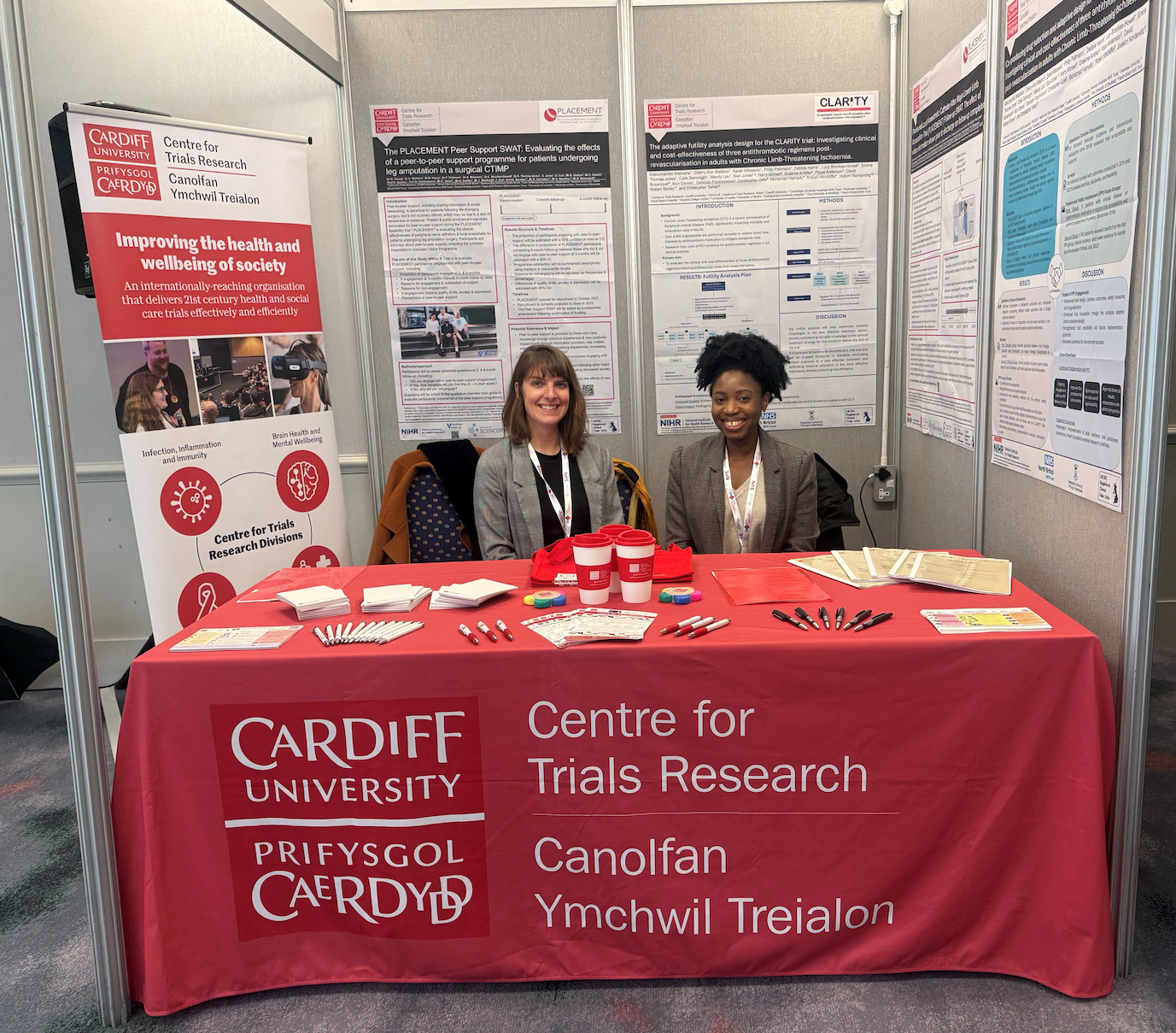
This collaborative approach also includes joining forces with other vascular RCT teams through a shared presence at conferences and in joint discussions to address common challenges, share knowledge, build connections, and identify practical solutions for delivering vascular RCTs across the UK. Together, this reflects a growing community of researchers working towards better outcomes for patients.
Trial Manager: Dr Waku Maboshe
Across these four I3 trials, collaboration takes many forms, from co-production and partnership working to shared delivery and innovation in trial design.
The Next 10 Years
Looking forward, collaboration and innovation will remain central to how we work and grow. Together, we aim to strengthen partnerships across disciplines, organisations, and sectors, continue embedding patient and public voices in trial design and conduct, explore innovative methodologies, including adaptive and flexible trial designs, and expand inclusive and accessible research opportunities.
Reflecting on the Centre’s 10-year milestone and looking ahead, Professor Mike Robling, Director at the Centre for Trials Research said:
“Our Centre’s tenth anniversary event emphasised the importance of developing strong working partnerships to design, deliver and create impact from highly complex trials. The event captured how innovation can arise in many different places, and I think even our own teams were struck with the variety of populations, settings and methods that we have in our research portfolio. Future trials will need to better reach out to those populations who remain underserved by clinical research, they need to be more efficient – including making better use of existing resource such as routine data, more sustainable, and bring impact to the public more quickly. As a Centre I believe are well placed to do this”
As trial managers, we are excited to continue contributing to this evolving landscape, working together to deliver research that makes a meaningful difference.
This International Clinical Trials Day, we celebrate not only the progress that has been made, but the people, partnerships, and shared purpose that make it possible.

- June 2026
- May 2026
- April 2026
- February 2026
- December 2025
- October 2025
- June 2025
- May 2025
- April 2025
- March 2025
- February 2025
- December 2024
- November 2024
- October 2024
- September 2024
- July 2024
- June 2024
- May 2024
- April 2024
- March 2024
- December 2023
- November 2023
- September 2023
- July 2023
- June 2023
- April 2023
- March 2023
- February 2023
- December 2022
- November 2022
- October 2022
- September 2022
- August 2022
- July 2022
- June 2022
- May 2022
- April 2022
- March 2022
- February 2022
- January 2022
- November 2021
- September 2021
- July 2021
- June 2021
- May 2021
- March 2021
- February 2021
- December 2020
- November 2020
- September 2020
- August 2020
- July 2020
- January 2020
- December 2019
- October 2019
- September 2019
- July 2019
- June 2019
- May 2019
- April 2019
- February 2019
- December 2018
- November 2018
- October 2018
- September 2018
- August 2018
- July 2018
- June 2018
- May 2018
- April 2018
- March 2018
- December 2017
- October 2017
- August 2017
- July 2017
- June 2017
- May 2017
- April 2017
- March 2017
- February 2017
- January 2017
- December 2016
- October 2016
- August 2016
- June 2016
- April 2016
- March 2016
- February 2016