One University, One Voice: Embedding Students in Change
15 September 2026
At Cardiff University, we talk about a One University approach—bringing services, processes and people together to create a simpler, more joined-up experience. But if we are serious about that vision, there’s a critical voice that must be part of it: our students.
In the Continuous Improvement (CI) Hub, we’re challenging that model—shifting from consultation to true collaboration, and embedding students directly into how we design and improve services from the start.
We’ve started to move beyond talking about student involvement to actively embedding it into how we design and improve services. Through workshops, show-and-tell sessions, and co-design activity, students are not just contributing feedback—they are shaping the work as it happens.
When students join process redesign workshops, the impact is immediate. Mapping journeys together—whether for student handbooks, welcome and induction, or accessing module results—brings the lived experience of students into the room in a way that no dataset or assumption can replicate. What may appear clear and efficient from a staff perspective can feel fragmented or confusing in reality. As one student reflected during a workshop:
“I don’t think of this as one process—I just go to wherever I can find the information.”
That perspective shifts the focus. Instead of refining individual steps, conversations turn to simplifying the overall experience—reducing duplication, clarifying pathways, and making services easier to navigate.
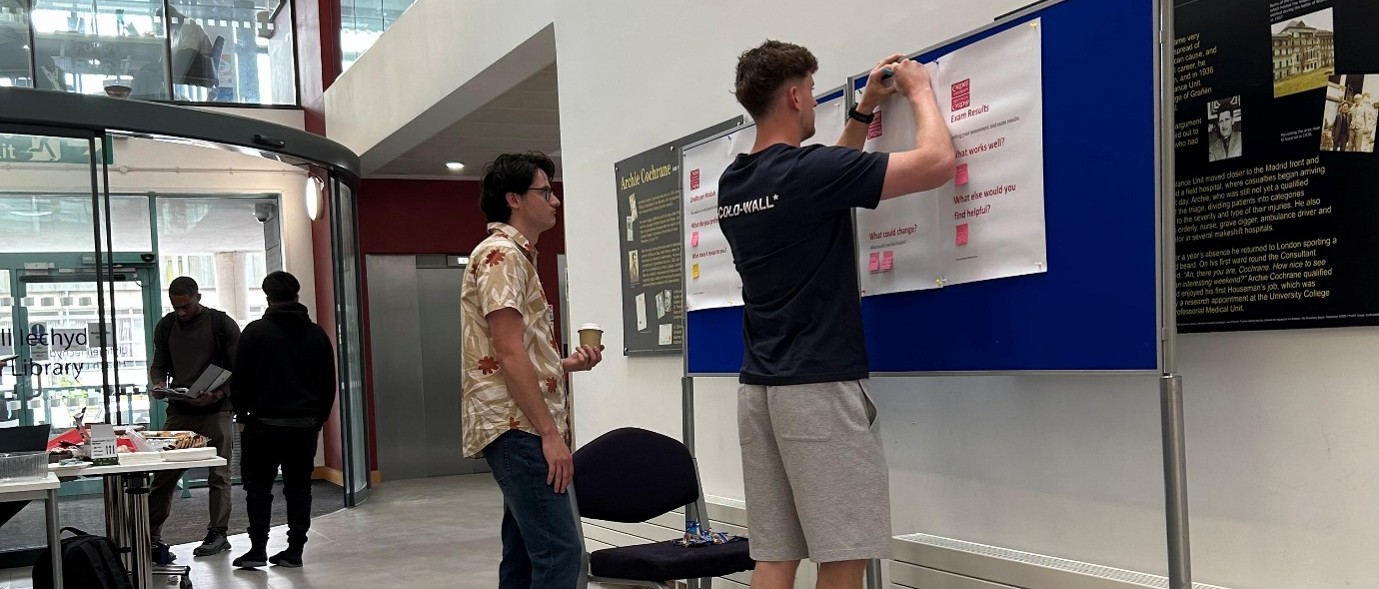
The student handbook workshops have been a particularly powerful example. When we shared existing content and structures, students were quick to highlight how difficult it can be to find what they need in the moment:
“I wouldn’t look for this in a handbook—I’d just Google it or ask someone.”
“There’s too much text. I just want to know what I need to do and where to go.”
These insights challenged long‑standing assumptions about how information should be presented. What staff see as comprehensive and helpful can feel overwhelming or inaccessible to students. In response, discussions shifted toward clearer structure, concise guidance, and signposting rather than volume—designing content that supports how students actually behave, not how we expect them to.
Show-and-tell sessions have reinforced this further. Sharing early re-design ideas creates a live feedback loop. Students bring a refreshing clarity, often cutting through complexity with simple but powerful observations:
“If this is important, why is it so hard to find?”
Moments like this don’t just refine outputs—they reframe the purpose of what we’re designing and why.
Importantly, student involvement also changes the dynamic in the room. Workshops become less about internal processes and more about real-world impact. Staff move away from debating constraints and toward understanding experience. Students, in turn, gain insight into the complexity behind services and contribute thoughtfully to solutions.
As one student commented:
“I didn’t realise how much sits behind this—but that’s why it needs to feel simple for us.”
These experiences reinforce a key principle: student involvement isn’t something to add at the end. It needs to be embedded throughout. When students help shape the design, the outcome is not only more user-friendly—it is more coherent, more focused, and ultimately more effective.
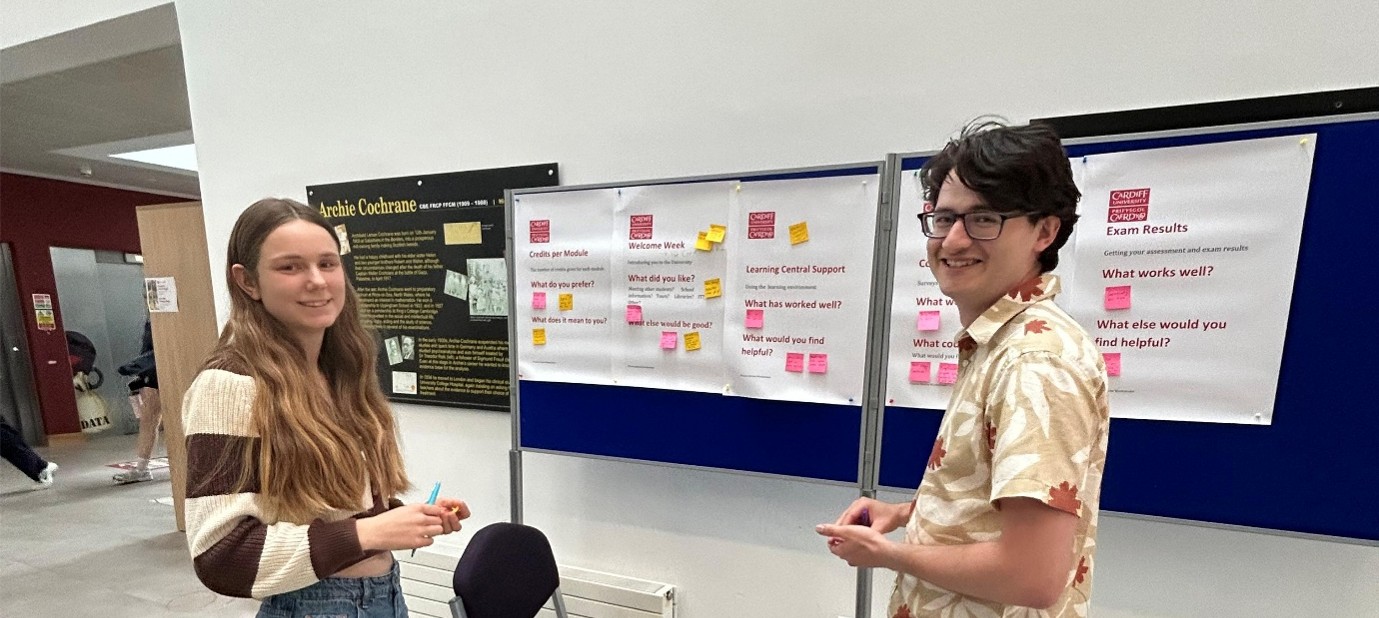
Embedding students in change isn’t an add-on—it’s fundamental to designing services that actually work. As we continue to build a more integrated, One University model, the opportunity is clear: move beyond listening to students, and start designing with them. When students become genuine partners in continuous improvement, we don’t just enhance the student experience—we create better, simpler, and more effective services for everyone. The question isn’t whether we should involve students—it’s how far we’re prepared to go to truly make them part of the change.
Gill Kent, Senior Business Analyst