TOP-CAT HDR UK Black Internship
15 October 2025
We successfully hosted two more interns as part of HDR UK’s Black Internship Programme this summer in the TOP-CAT team at Centre for Trials Research. Reflecting on their time in our clinical trials unit, here’s what Chichi and Alero said:
1) What have you been working on during your internship – and what was your favourite part?
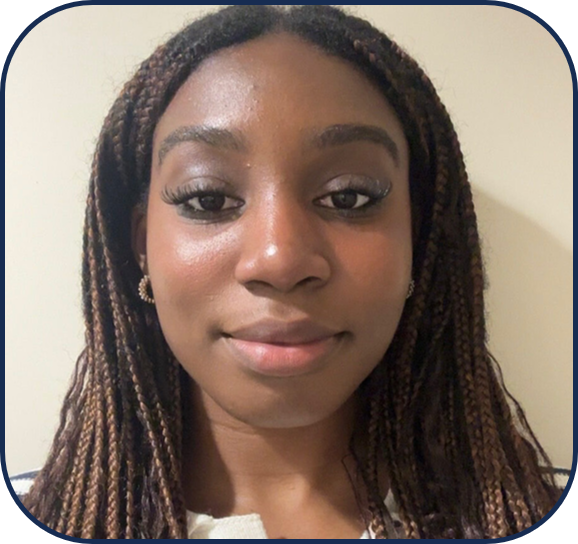
Chichi:
During my internship, I worked on producing a training video focused on how researchers can use multimedia tools to improve the informed consent process in trials that use routinely collected patient data. My favourite part was taking part in the Public Advisory Group meeting. It was incredibly rewarding to see the hard work on my presentation pay off, to have people be receptive to my video idea, and to hear such thoughtful feedback.

Alero:
During my internship, I worked on creating training videos for researchers about protecting blinding in trials using health systems data. This involved scripting and developing clear content on what binding is, why it matters and the practical strategies that can help maintain it. I enjoyed meeting with the Public Advisory Group to hear their perspectives on the topic which added a valuable dimension to my work. I found it exciting to see how research can be enriched by direct engagement with the public.
2) What’s one thing you learned that surprised you or challenged your thinking?
Chichi:
I was surprised by how much time it takes to research and write a script, and how long the process of building a training video really is. It definitely made me think more about how much effort goes into creating the teaching materials I use myself. I also learned so much about accessibility, particularly around font sizes, colour contrast, and design choices. Through the research process for this video, I gained a much better understanding of accessibility preferences, and I’ll definitely take that into account when creating materials in the future to make sure they’re inclusive and user-friendly.
Alero:
One thing that surprised me was how much public involvement can shape the way research is carried out. Going into the internship, I thought of blinding mainly as a technical or methodological issue. But after hearing the Public Advisory Group’s thoughts, I realised just how important it is to explain these concepts in a way that participants can truly understand and how research is as much about communication and trust for the people involved as it is about accuracy and rigor.
3) What skills or experiences will you take forward from this internship?
Chichi:
This internship really helped me grow my time management and organisation skills. Normally, I can be a perfectionist and want everything to be polished before sharing it. At the start of the internship, I wanted everything to be flawless before showing it, but over time I became more comfortable with sharing drafts, receiving feedback, and improving collaboratively. Overall, It made me much more confident in managing my time and getting things done efficiently. I also developed new communication skills through the process of creating the training video. From writing and adapting a script, to thinking about accessibility, to seeing how educational content is produced behind the scenes. These are experiences I’ll definitely carry forward into future projects.
Alero:
This internship has completely reshaped how I think about and approach research. I have also considerably refined my communication skills especially in terms of adapting my style to suit different audiences. I believe this is a soft skill that is essential to have, and it is something I will carry with me into any future role.
4) How has this experience shaped your thinking about your future career or studies?
Chichi:
Before this internship, I didn’t really see a place for myself in research. I always thought of it as something I would have to do as part of being a doctor, rather than something I’d actively want to pursue. In my mind, research mostly meant working in a lab, which didn’t feel like the right fit for me. But through this internship, especially the opportunity to attend the SAPC conference, I’ve seen a completely different side to research. I really enjoyed exploring health data research, particularly looking at issues like informed consent and accessibility, and developing training resources that have real impact. Now I’d love to seek out more research opportunities during medical school and hopefully do it alongside clinical practice in the future.
Alero:
This experience has made me more open to research as a potential career path. Coming from a mostly technical background, I was not sure how I would perform in a research-intensive role. To my surprise, I found myself enjoying the process and it is given me confidence that I could thrive in research-based roles and has sparked my interest in pursuing similar opportunities in the future.
5) What advice would you give to future HDR UK interns – or to teams hosting them?
Chichi:
For future interns, I’d say: plan well. Know what you want to achieve each day and each week, and set yourself goals for the end of the internship. Also, make the most of all the opportunities available – if you’re given the chance to attend an event, go for it! For host organisations, I’d say that having a supportive relationship with your interns makes a huge difference. My managers were fantastic, and their encouragement really shaped my experience for the better.
Alero:
I’d say be strategic and intentional. The eight weeks go by faster than you expect, so setting a clear timeline with your manager and outlining weekly objectives can make a huge difference in staying on track and making the most of your time. For host teams, my advice would be to continue providing the kind of supportive environment I experienced-being open and willing to help when needed. That reassurance makes interns feel comfortable enough to learn, ask questions, and contribute meaningfully.

- February 2026
- December 2025
- October 2025
- June 2025
- May 2025
- April 2025
- March 2025
- February 2025
- December 2024
- November 2024
- October 2024
- September 2024
- July 2024
- June 2024
- May 2024
- April 2024
- March 2024
- December 2023
- November 2023
- September 2023
- July 2023
- June 2023
- April 2023
- March 2023
- February 2023
- December 2022
- November 2022
- October 2022
- September 2022
- August 2022
- July 2022
- June 2022
- May 2022
- April 2022
- March 2022
- February 2022
- January 2022
- November 2021
- September 2021
- July 2021
- June 2021
- May 2021
- March 2021
- February 2021
- December 2020
- November 2020
- September 2020
- August 2020
- July 2020
- January 2020
- December 2019
- October 2019
- September 2019
- July 2019
- June 2019
- May 2019
- April 2019
- February 2019
- December 2018
- November 2018
- October 2018
- September 2018
- August 2018
- July 2018
- June 2018
- May 2018
- April 2018
- March 2018
- December 2017
- October 2017
- August 2017
- July 2017
- June 2017
- May 2017
- April 2017
- March 2017
- February 2017
- January 2017
- December 2016
- October 2016
- August 2016
- June 2016
- April 2016
- March 2016
- February 2016