NIHR FACTS: What We Heard About Flexibility and Autonomy Across CTR
23 June 2026
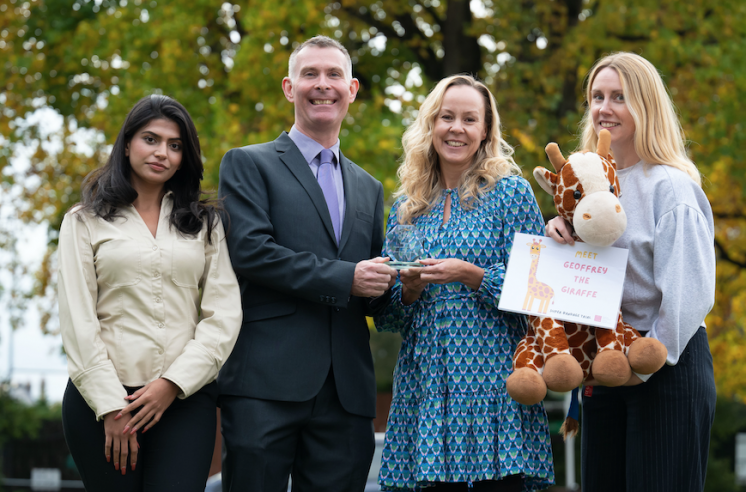
– by Dolce Advani, Centre for Trials Research (CTR) at Cardiff University Representative/Champion – FACTS/ Data Manager, CTR
About FACTS
FACTS (Flexibility and Autonomy in Clinical Trials Staff) is an NIHR-funded initiative exploring how research teams can thrive through better working practices. At Cardiff CTR, Dolce Advani and Fiona Lugg Widger have been appointed as FACTS Champion and Deputy Champion respectively, working together to gather insights from colleagues, share findings, and help shape a positive, people-centred research culture across the unit. As part of this role, we’ve been running structured conversations with teams across CTR, exploring what flexibility and autonomy really mean in practice, and what helps people do their best work.
What emerged from conversations across Data Management, Statistics, Pharmacovigilance, QA and Administration wasn’t just a story about hybrid working. It was something richer. Behind the practicalities of diaries and desk days, there’s a set of values that people across CTR hold in common: trust, ownership, clear communication, and the space to organise work in a way that genuinely works.
Here’s what we heard.
-
Autonomy is really about trust
Across every team, people described autonomy not as simply “working independently”,but as being trusted to manage their own priorities, organise their diaries, and deliver without unnecessary oversight.
That trust looks different in practice for different people. For some, it’s the confidence that comes from a supportive manager. For others, it’s having clear SOPs that allow them to methodically work through tasks in their own time, knowing they can follow a defined process independently, then come up for air when needed. Many highlighted that being allocated to specific trials or workstreams gives them the ability to work with their team to agree deadlines and shift priorities as things evolve.
“Autonomy is strongly linked to trust. Staff value having ownership over their work while knowing support is available when needed.”
-
Flexible and hybrid working genuinely helps
It’s not a surprise, but it bears saying clearly: flexible and hybrid working makes a real difference to how people experience their work.
Colleagues described better productivity, improved wellbeing, and particularly for those managing health needs.. a quality of work-life integration that simply isn’t possible with rigid office-based schedules. Hybrid meetings were also highlighted as a practical win: not missing out when you can’t be in the office keeps people connected and contributing.
-
But flexibility needs balance
Several teams were candid about the challenges too.
New starters can feel isolated when remote working is the default. Knowledge-sharing is harder at a distance. Team cohesion takes more deliberate effort when people aren’t physically together. This isn’t a case against flexibility. It’s a call for intentionality. The teams that manage this best tend to be those that treat in-person time as purposeful, not just habitual.
-
Protecting time for meaningful work matters
One of the strongest themes across teams was the value of being able to organise the working day in a way that allows for focused, meaningful work alongside meetings and communication.
People highlighted practical approaches that make a real difference: keeping meetings shorter and well-structured, coordinating thoughtfully around part-time and compressed hours, and protecting time for the kind of deep work that requires concentration. Realistic timescales — clearly communicated both internally and to stakeholders were also flagged as important in making this work in practice.
“Flexibility works best when people can maintain control of their diaries and protect time for meaningful work.”
-
Good communication enables autonomy. It doesn’t reduce it
There was a perhaps counterintuitive insight here: people who felt most autonomous weren’t those who were left alone — they were those who had clear expectations, understood the wider picture, and were brought into decisions early.
Access to guidance and SOPs, regular (but proportionate) communication, and knowing where to go when things get complicated..these aren’t constraints on autonomy. They’re the scaffolding that makes it possible. The same applies to shared platforms: where tools like Teams are used consistently for shared documents, people can work independently without running into the friction of access issues or version conflicts.
-
Social connection still matters — but it has to be the right kind
Across teams, people valued informal connection: lunches, coffee catch-ups, casual office interactions. These moments don’t need to be elaborate to be effective. In fact, the most appreciated opportunities to connect tend to be the most straightforward ones.
The consistent theme was accessibility and low pressure: connection that works for everyone, fits around different schedules and preferences, and doesn’t require a big occasion to happen.
Looking ahead
These findings reflect real experiences, common challenges, and genuine successes from colleagues across CTR. They don’t point to a single answer, but they do point in a consistent direction.
Flexibility works best when it’s built on trust, enabled by good communication, and protected by control over your own time. That’s something worth holding onto as we continue to shape how we work together.
We’re looking forward to sharing these findings more widely across CTR and continuing the conversations about what helps people do their best work.
#ResearchCulture #ClinicalTrials #FACTS #Teamwork #WorkplaceWellbeing

- June 2026
- May 2026
- April 2026
- February 2026
- December 2025
- October 2025
- June 2025
- May 2025
- April 2025
- March 2025
- February 2025
- December 2024
- November 2024
- October 2024
- September 2024
- July 2024
- June 2024
- May 2024
- April 2024
- March 2024
- December 2023
- November 2023
- September 2023
- July 2023
- June 2023
- April 2023
- March 2023
- February 2023
- December 2022
- November 2022
- October 2022
- September 2022
- August 2022
- July 2022
- June 2022
- May 2022
- April 2022
- March 2022
- February 2022
- January 2022
- November 2021
- September 2021
- July 2021
- June 2021
- May 2021
- March 2021
- February 2021
- December 2020
- November 2020
- September 2020
- August 2020
- July 2020
- January 2020
- December 2019
- October 2019
- September 2019
- July 2019
- June 2019
- May 2019
- April 2019
- February 2019
- December 2018
- November 2018
- October 2018
- September 2018
- August 2018
- July 2018
- June 2018
- May 2018
- April 2018
- March 2018
- December 2017
- October 2017
- August 2017
- July 2017
- June 2017
- May 2017
- April 2017
- March 2017
- February 2017
- January 2017
- December 2016
- October 2016
- August 2016
- June 2016
- April 2016
- March 2016
- February 2016