From Orkney to Odisha, and Beyond: The Witch Map Project and Global Witchcraft Memorials (Abigail Heneghan and Gabriel Hyde)
8 August 2025
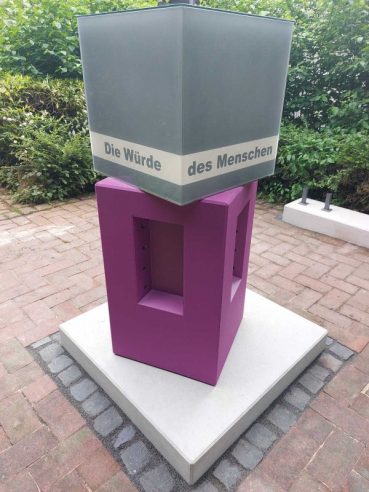
Our first post outlined some of the headline figures and conclusions from our investigation into witch memorials. Two key questions, however, remain: what motivated the creation of these memorials, and why did and do they matter so much? To begin, we’ll focus on the first question – unpacking the reasons behind these acts of remembrance.
Germany and Scotland have notably high numbers of witch trial memorials due to their especially intense persecutions: Germany had the most executions in Europe, while Scotland had one of the highest per capita. The decentralised territories of early modern Germany led to many localised trials and, consequently, local-level memorials, like the ‘Hexenverfolgung’ in Detmold. Similarly, Scotland’s regionally distinct witch-hunting events have likely inspired specific communities to commemorate their local histories, from the Maxwelton Cross memorial in Paisley to the Gallow Hill memorial in Scalloway.
Modern cultural movements, especially feminist and social justice efforts, have escalated the focus on recognising historical gender-based violence and persecution to fuel a wave of memorial creation. For instance, the establishment of RAWS (Remembering the Accused Witches of Scotland) in 2018, driven by a shared interest in Lilias Adie and other accused witches, has led to the dedicated renaming of roads in their honour and the launch of the Fife Accused Witches Trail, featuring plaques from Culross to Torryburn.
Furthermore, witchcraft memorials are important in preserving local heritage alongside attracting cultural visitors. The town of Triora in Italy uses its 1587 witch hunt to both honour its past and brand itself as a ‘Town of Witches’ or the ‘Salem of Italy’ to boost tourism. Likewise, the Salem Witch House, formerly the residence of Jonathan Corwin, a judge during the Salem Witch trials, was turned into a landmark in 1856 and restored in both 1944 and 1948. Today, it serves as a museum focusing on 17th-century America, providing context for the hunts. Furthermore, nationalist movements in Scotland and Catalonia reclaim supressed witchcraft histories to assert distinct identities, using memorials and pardons alongside cultural symbols like Scotland’s witches tartan and Catalonia’s street naming-efforts. Through these unique traditions, both regions strengthen their national identity and reinforce pride separate from the broader national narrative.
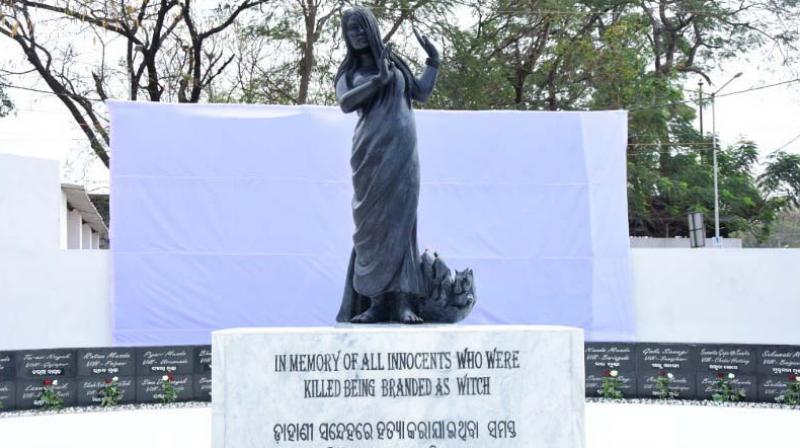
Our most interesting finding may be the Keonjhar witch memorial in Odisha, India, the only one outside of Europe and the USA. Unlike the others, this memorial is dedicated to the victims of witch hunts that continue to this day. According to the National Crime Records Bureau, more than 2500 people were killed in India between 2000 and 2016 in cases linked to witchcraft accusations, likely higher due to the misreporting of some cases. These mostly happen in rural village communities, with Odisha having some of the highest numbers of cases in the country. This reality reflects the value of memorialisation, not just to honour the past, but as a tool to confront ongoing violence. The establishment of witch trial memorials urges society to address the deep-rooted beliefs and systematic injustices that enable these hunts to persist. In regions where such practices are present-day threats, memorials serve as reminders that remembrance must be connected with reform.
Controversy and Contemporary Witches: Why We Remember
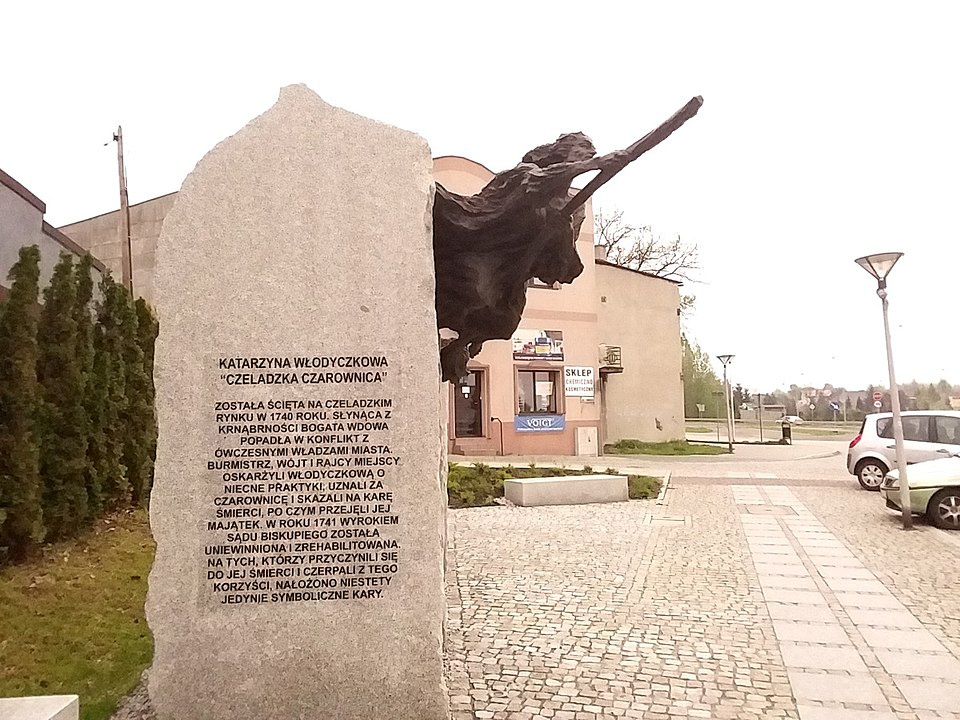
Memorialisation of witches remains a controversial subject. Witchcraft museums in Salem are often accused of being ‘tourist traps’ and historically inaccurate, while a line declaring the victims’ innocence on the Witches of Islandmagee Memorial Plaque was rejected by the Mid and East Antrim Borough Council. The Czeladź Witchcraft Memorial had its installation delayed by 8 years as residents did not want a witch displayed outside of St. Stanislaus Church.
Memorials are shaped by power and politics, not just history. These disputes, over wording or placement, show ongoing conflict within communities over how to frame witch trial victims. Who controls these narratives? Religious institutions, local councils, and activists often clash over whether memorials should condemn, educate, or even entertain (such as the interactive witches’ scales replica in Beselare). These tensions reveal that remembering the trials is as much about present-day identity as it is about historical fact.
From this, we can understand that witchcraft and the witch trials hold a sensitive place in our collective psyche – many still believe in and fear witches, while others identify as them. Indeed, in countries like India, Tanzania, Zambia, Papua New Guinea, and Gambia, witch-hunting practices continue today, with the UN finding that the number of them is increasing. In Zambia, people are accused of spreading HIV and AIDS through witchcraft, leading to murders, often by poison. Similar cases have occurred in Papua New Guinea, while in Tanzania albinos are killed as it is believed their skin and hair contain magical properties. Witch hunts are also a product of economic hardship and community tension, with hunts in Odisha, India, being linked to land seizures in 2021.
At a time where people are still persecuted due to perceived differences, memorialising accused witches is crucial for public education about the deadly consequences of ‘othering’. By bringing attention to memorials, The Witch Map Project highlights the need to address the root causes of witch hunting through protecting the environment, giving greater economic support to poor and rural communities, and ensuring better education on matters such as health. This project opens pathways for both academic research and public engagement. By visualising spatial data, it can support comparative studies, inform heritage initiatives, and encourage new dialogue between activists and local communities. Furthermore, it demonstrates how digital tools can expand the reach of public history, turning maps into sites of reflection.
Want to view our map for yourself? Follow the link to a read-only version on Google Maps.